
Solar Power Takes Centre Stage in Zimbabwe’s Drive for Energy Security by 2030
In short
- Zimbabwe aims to more than double installed renewable energy capacity by 2030, with solar expected to be a major contributor.
By Simba Zimunya
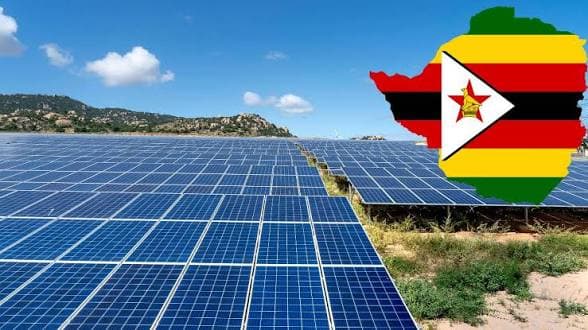
Solar energy is increasingly becoming a key part of Zimbabwe’s strategy to strengthen electricity generation, attract private investment and improve national energy security as the country pursues its development targets for 2030.
With abundant sunshine and growing interest from independent power producers, businesses and households, the Government is seeking to expand renewable energy capacity and reduce the pressure on conventional electricity sources.
The drive is aligned with the National Development Strategy 2 (NDS2), which identifies reliable energy supply as an important requirement for industrialisation, economic growth and improved productivity.
More reliable electricity could support households, businesses, farming and industrial production, but targets must translate into functioning projects.
Government targets 2,640MW in renewable energy capacity
Zimbabwe has set a target of increasing installed renewable energy capacity from 1,282 megawatts in 2025 to 2,640MW by 2030.
Energy and Power Development Minister July Moyo announced the target while addressing the ninth International Solar Alliance Assembly in New Delhi, India, in November 2026.
The expansion is expected to make renewable energy account for approximately 49 percent of the country's projected installed electricity generation capacity by 2030.
Solar power is expected to contribute significantly to this expansion, alongside other renewable energy sources.
The target forms part of Zimbabwe’s wider National Energy Compact, which also seeks to increase total installed electricity generation capacity to 5,432MW by 2030.
Private investment driving solar expansion
The Government is looking to increase private-sector participation in electricity generation through independent power producers and other investment partnerships.
Businesses are also investing in solar installations to reduce their dependence on the national grid and improve the reliability of electricity for industrial operations.
Some companies are developing captive solar plants, allowing them to generate electricity primarily for their own consumption.
The National Development Strategy 2 identifies private investment, renewable energy development and improvements to electricity infrastructure as important components of the country's economic transformation programme.
However, expanding installed capacity will require more than announcing projects. Investors must secure financing, complete construction, connect facilities to the grid and ensure that projects operate reliably.
Solar energy and rural electricity access
Solar technology is also creating opportunities to expand electricity access in communities that are not adequately served by the national grid.
Standalone solar systems and decentralised renewable energy projects can provide electricity to households, schools, health facilities and agricultural operations in remote areas.
The National Energy Compact targets universal household electricity access by 2030, using both grid connections and off-grid solutions.
The Presidential Rural Solarisation Scheme is also intended to support access to solar power in rural communities.
For farmers, solar-powered irrigation systems could help reduce dependence on diesel-powered equipment and improve access to water for agricultural production.
Challenges that could affect the 2030 target
Despite the opportunities, Zimbabwe faces several challenges in expanding renewable energy generation.
The development of large-scale solar projects requires substantial capital, while grid infrastructure must be strengthened to accommodate additional electricity generation.
Solar power is also dependent on sunlight, meaning battery storage and other sources of electricity are important for maintaining supply when generation falls.
The Government must therefore continue investing in transmission and distribution networks, energy storage and the maintenance of existing power stations.
The National Energy Compact estimates that Zimbabwe requires approximately US$9.13 billion in investment across electricity generation, transmission, distribution, energy access and clean cooking by 2030.
This highlights the scale of financing required to achieve the country's wider energy ambitions.
Solar power and Zimbabwe’s industrial future
Reliable electricity is essential for mining, manufacturing, agriculture, commerce and other productive sectors.
Expanding solar generation could help businesses reduce interruptions, improve operational resilience and diversify their electricity sources.
The growth of the renewable energy industry could also create opportunities in engineering, installation, maintenance, manufacturing and technical training.
As Zimbabwe advances towards Vision 2030, the success of its solar energy ambitions will depend on turning investment targets into completed projects that deliver dependable electricity.
The objective is not simply to install more solar panels, but to build an energy system capable of supporting households, businesses and national industrial development.
Sources & reporting
The Granite Post Zimbabwe verifies documents, interviews sources and checks official records before publication. Our editorial standards explain what we require before a story runs.
Read our editorial standardsRelated Articles

Join the discussion
Share your view.
No comments yet. Be the first.