
Zimbabwe and Russia Deepen Health Partnership as Country Eyes Local Drug Production
In short
- Zimbabwe and Russia are exploring cooperation in emergency healthcare, cancer treatment, medical training and local pharmaceutical manufacturing.
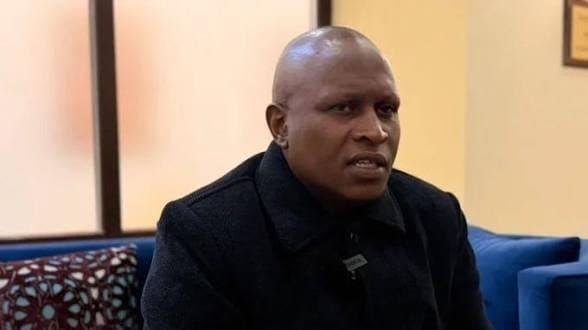
Zimbabwe is seeking to strengthen its healthcare system through deeper cooperation with Russia, with a focus on emergency medical services, cancer treatment, medical training and the local production of essential medicines.
Deputy Minister of Health and Child Care Sleiman Kwidini says existing bilateral agreements between the two countries have already contributed to improvements in emergency medical evacuation, particularly for patients in remote communities.
Kwidini, who is also the legislator for Chiwundura Constituency, described the agreements as an important milestone in efforts to improve access to specialised healthcare.
His remarks come as Vice President Kembo Mohadi leads a Zimbabwean delegation in Russia to explore ways of turning existing agreements into practical projects that can benefit both countries.
If implemented effectively, the cooperation could improve access to emergency treatment, cancer care and essential medicines while reducing reliance on imported medical supplies.
Air ambulances improve access to emergency healthcare
One of the major areas of cooperation is the Helidrive Air Ambulance Programme, which provides helicopter-based medical evacuation services.
According to Kwidini, the service has improved the transportation of patients from remote areas to hospitals equipped to provide specialised treatment.
He said the time required to transfer patients during emergencies had been reduced by approximately 90 percent compared with previous arrangements.
The programme is particularly important for communities where long distances and limited transport options can delay access to critical medical services.
Zimbabwe has previously faced challenges transporting patients during emergencies, including natural disasters such as Cyclone Idai.
The air ambulance initiative is intended to help bridge some of these geographical and logistical gaps in the country's healthcare system.
Zimbabwe seeks Russian technology to strengthen cancer treatment
Cancer treatment is another priority in the growing partnership.
Kwidini said Zimbabwe was working with Russia to access specialised medical technology and training that could strengthen the country's ability to detect and treat cancer.
He indicated that Russian companies were facilitating the supply of specialised equipment to Zimbabwe to support cancer diagnosis and treatment.
Reports from the ongoing Russian engagements have also highlighted plans to improve access to radiotherapy technology and strengthen local medical expertise.
Improved access to diagnostic equipment, treatment facilities and trained healthcare professionals could help address some of the challenges faced by cancer patients who require specialised care.
However, the impact will depend on the availability of equipment, qualified personnel, maintenance systems and affordable treatment services.
Push for local production of essential medicines
Zimbabwe also wants to move beyond importing essential medicines by attracting Russian investment and expertise into domestic pharmaceutical manufacturing.
Kwidini said the country was seeking partnerships that would allow essential drugs to be produced locally rather than relying heavily on imported supplies.
The proposal forms part of broader discussions involving Zimbabwean officials, Russian pharmaceutical manufacturers and technical experts.
Public Health Advisor to the President and Cabinet, Dr Agnes Mahomva, has also highlighted pharmaceutical manufacturing as an important area of cooperation, particularly for medicines used to manage non-communicable diseases such as cancer and diabetes.
The COVID-19 pandemic exposed the risks of depending on international suppliers for critical medical products when global supply chains are disrupted.
Developing local manufacturing capacity could improve the availability of essential medicines, strengthen supply security and create opportunities for investment and technical skills development.
Mohadi leads implementation discussions in Russia
Vice President Kembo Mohadi's visit to Russia is focused on advancing the implementation of agreements signed between the two countries.
His delegation includes Deputy Minister Kwidini and other government and health-sector officials.
The engagements include discussions with Russian pharmaceutical manufacturers and visits to companies involved in producing medicines and medical equipment.
The objective is to identify areas where Russian technology, investment and expertise could support Zimbabwe's healthcare priorities.
The discussions also reflect a broader effort by the Government to move bilateral agreements beyond diplomatic commitments towards projects with measurable outcomes.
The challenge is turning agreements into tangible results
Although the partnership presents opportunities for Zimbabwe's healthcare sector, its long-term success will depend on implementation.
The proposed expansion of cancer treatment services, pharmaceutical manufacturing and medical training will require investment, clear timelines, regulatory oversight and adequate resources.
For ordinary Zimbabweans, the real measure of progress will be whether these engagements result in more accessible healthcare, affordable medicines, improved emergency response and better treatment outcomes.
As Zimbabwe and Russia deepen their health cooperation, attention will increasingly turn to whether the agreements can deliver lasting improvements across the country's healthcare system.
Sources & reporting
The Granite Post Zimbabwe verifies documents, interviews sources and checks official records before publication. Our editorial standards explain what we require before a story runs.
Read our editorial standardsRelated Articles
Join the discussion
Share your view.
No comments yet. Be the first.