
Gwanda Records 16.2% STI Positivity Among Tested Youths
 By Prosper Makunike2 min read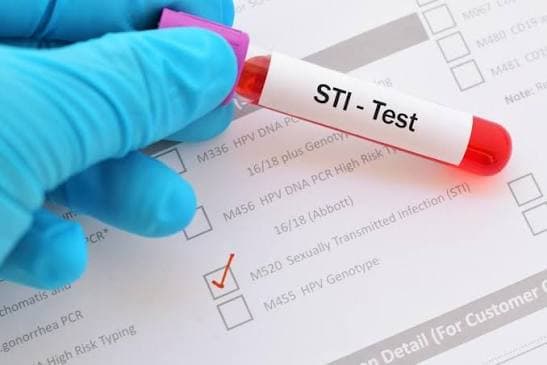
GWANDA - The Zimbabwe National Family Planning Council says 16.2 percent of young people tested for sexually transmitted infections in Gwanda District received positive results, a figure the council linked to mobile populations, artisanal miners and university students in the area.
ZNFPC provincial manager Blessed Gumbi disclosed the figure as parliamentary committees visited Gwanda on 31 August.
Gumbi cited the presence of mobile populations, artisanal miners and university students among the factors associated with STI transmission in the district. Areas with concentrations of artisanal miners and transient workers have previously been flagged by health authorities as carrying higher exposure to sexually transmitted infections, tied to income patterns, mobility and reduced access to consistent health services.
The 16.2 percent figure describes only the youths who were actually tested, not the youth population of Gwanda as a whole. ZNFPC has not published the total number of young people tested, the period the testing covered, the specific age range included, or how the current figure compares with results from earlier periods.
That gap matters for how the number should be read. A positivity rate calculated from a small or self-selected group of testing clinic attendees carries a different meaning from one calculated across a large, randomly sampled population, and without the underlying dataset it is not possible to say which applies here.
The parliamentary visit placed the figure in front of lawmakers directly, giving legislators an opportunity to question ZNFPC and district health officials on the scale of the issue and the services available to address it. No public breakdown of that engagement, including any commitments made by the committees or by ZNFPC, has yet been published.
The disclosure adds to a broader pattern in which local health bodies flag youth-focused health concerns in mining and university-adjacent districts, though the absence of a published surveillance report limits independent verification of the figure at this stage.
The Granite Post has sought the underlying dataset from ZNFPC and the Ministry of Health and Child Care, including the sample size, the number of infections detected, treatment uptake among those who tested positive, and the availability of youth-friendly health services in Gwanda. This article will be updated when that information is provided.
Reporting draws on the disclosure by ZNFPC provincial manager Blessed Gumbi during the 31 August parliamentary committee visit to Gwanda District.
A positivity rate is only as informative as the sample behind it. Without the number tested or the period covered, 16.2 percent could describe a small clinic sample or a wide district survey, and those two readings call for very different responses from health authorities and lawmakers.
How we reported this
The Granite Post Zimbabwe verifies documents, interviews sources and checks official records before publication. Our editorial standards explain what we require before a story runs.
Read our editorial standardsAbout the author
Prosper Makunike is a Staff Writer at The Granite Post covering Zimbabwean news, public affairs, business and major national developments. He reports on stories affecting communities across the country, with a focus on clear, factual and accessible journalism.
View author profileLatest Updates







Premium
View all Premium →
Zimbabwe Flags 18 Suspected Mineral Smuggling Cases Involving 2,655 Tonnes
Zimbabwe’s minerals marketing authority says it has intercepted or investigated 18 suspected cases involving lithium, chrome, silica and other materials since January.

Support independent journalism
Support our journalismSupport The Granite Post Zimbabwe
Your subscription helps fund investigations, public-interest reporting and deeper Zimbabwe coverage.


Comments
Join the conversation
Share your view.
No comments yet. Be the first.