Police Order Arrests Over Missing Plates, Illegal Blue Lights
 By Prosper Makunike4 min read
HARARE - Zimbabwe Republic Police Commissioner-General Stephen Mutamba has directed police stations across the country to arrest motorists driving vehicles without registration plates and to impound cars fitted with unauthorised blue lights, sirens and other prohibited equipment.
The fresh directive follows what police describe as a continued increase in motorists using vehicles without registration plates or fitting private vehicles with equipment normally reserved for authorised vehicles.
National police spokesperson Commissioner Paul Nyathi said all police stations, districts and provinces had been instructed to take firm action against offenders.
"The Commissioner-General of Police has directed all Police stations, Districts and Provinces to take stern action by effecting arrests and impounding all vehicles with no registration plates and those with illegal blue lights or fittings," Nyathi said in a statement reported on Monday.
Police said officers would not accept explanations from motorists found violating the rules.
The directive covers vehicles being driven without registration number plates, as well as those fitted with unauthorised equipment such as blue lights, sirens, bar lights, beacons and other prohibited lighting or signalling equipment. ZRP said driving a vehicle without registration plates is an offence, and warned motorists against deliberately removing plates or using vehicles before the required registration process has been completed.
The current enforcement action is not limited to private cars. When police formally announced the nationwide operation in March, they said it covered family vehicles, company vehicles, Government vehicles and public service vehicles. That earlier directive remains important because it makes clear that Government vehicles are not automatically exempt from registration requirements.
Police have previously linked the use of vehicles without registration plates to attempts to avoid identification after criminal or traffic offences. In March, ZRP said some motorists were deliberately removing plates after incidents involving armed robbery, kidnapping and hit-and-run crashes. Police also said vehicles without plates had been used by motorists trying to avoid detection after offences such as driving through red traffic lights, travelling against the flow of traffic and violating lanes. Public service vehicles have also been accused of removing registration plates to frustrate police follow-up after traffic violations.
Number plates provide one of the basic means through which police, road authorities and members of the public can identify a vehicle involved in an offence or accident. Their absence can therefore make investigations more difficult.
The crackdown extends beyond registration plates. Police have repeatedly warned private motorists against fitting vehicles with blue lights, sirens, beacons and similar equipment designed to imitate or obtain privileges normally associated with authorised vehicles. ZRP has previously said unauthorised lights and sirens can create confusion on the roads by causing other motorists to believe that an emergency or police vehicle is approaching. Police have also raised concerns over powerful bar lights, saying some fittings can interfere with the vision of other motorists at night and increase road-safety risks.
Under an earlier ZRP clarification, police said Statutory Instrument 129 of 2015 regulates vehicle construction and equipment, and that private motorists are not permitted to simply fit vehicles with blue lights or beacons. Police also warned that private motorcades using sirens and beacon lights for functions such as weddings, church events and private gatherings were not permitted.
Motorists caught in violation face more than a roadside warning. Police have said vehicles without plates can be impounded and held until the proper registration process has been completed and valid registration plates fitted. During the nationwide operation announced earlier this year, ZRP also said illegal sirens, blue lights, bar lights, beacons and related equipment would be removed from vehicles. The latest directive goes further in emphasising arrests.
Nyathi said Commissioner-General Mutamba had instructed commanders throughout the police structure to ensure action was taken. "No excuses from drivers or motorists will be entertained by police officers," he said.
The September directive is the latest stage of enforcement that has been running for much of 2026. ZRP formally announced a nationwide operation targeting plateless vehicles and illegal sirens, blue lights, bar lights and beacons on 10 March. Police again said during the Easter and Independence holiday period that vehicles without proper registration and those carrying illegal lighting equipment would be targeted. The operation was also intensified around the Heroes and Defence Forces holidays in August, when police warned that offenders would be arrested and prosecuted.
The latest directive therefore signals that the enforcement campaign is continuing rather than ending after previous road-safety operations. For motorists, the practical message is straightforward: vehicles being driven on public roads should carry properly displayed registration plates and should not be fitted with unauthorised blue lights, sirens or similar equipment. Those who ignore the directive now risk arrest and having their vehicles impounded.
Reporting draws on statements issued by Zimbabwe Republic Police national spokesperson Commissioner Paul Nyathi, and on ZRP's earlier public announcements of the nationwide operation launched on 10 March.
1 comment
Join the conversation
Share your view.
How we reported this
The Granite Post Zimbabwe verifies documents, interviews sources and checks official records before publication. Our editorial standards explain what we require before a story runs.
Read our editorial standardsAbout the author
Prosper Makunike is a Staff Writer at The Granite Post covering Zimbabwean news, public affairs, business and major national developments. He reports on stories affecting communities across the country, with a focus on clear, factual and accessible journalism.
View author profileLatest Updates

Business & Economy
Harare to open COMESA business programme ahead of Thursday summitRelated Articles


Premium
View all Premium →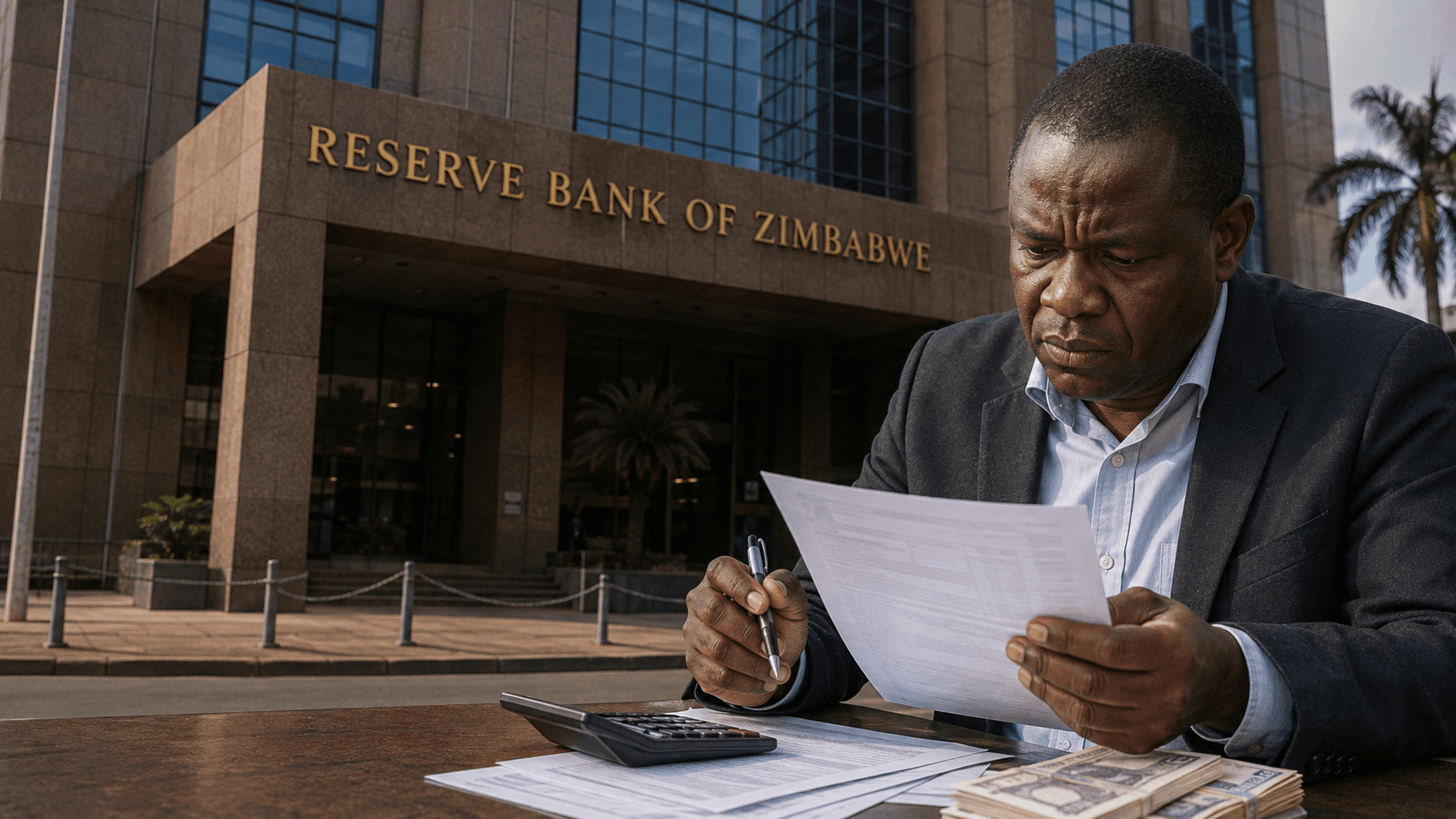
ZiG Inflation Falls to 2.9% but Bank Loans Still Cost Over 40%
Annual ZiG inflation dropped to 2.9% in August, the lowest since independence, 18 April 1980. But the central bank says some banks have not cut lending rates since June, leaving borrowers paying more than 40% while prices barely move.

Support independent journalism
Support our journalismSupport The Granite Post Zimbabwe
Your subscription helps fund investigations, public-interest reporting and deeper Zimbabwe coverage.



Masvingo