
Chitungwiza Man Pleads Guilty to US$25,900 Fake Pastor Fraud
 By Prosper Makunike3 min read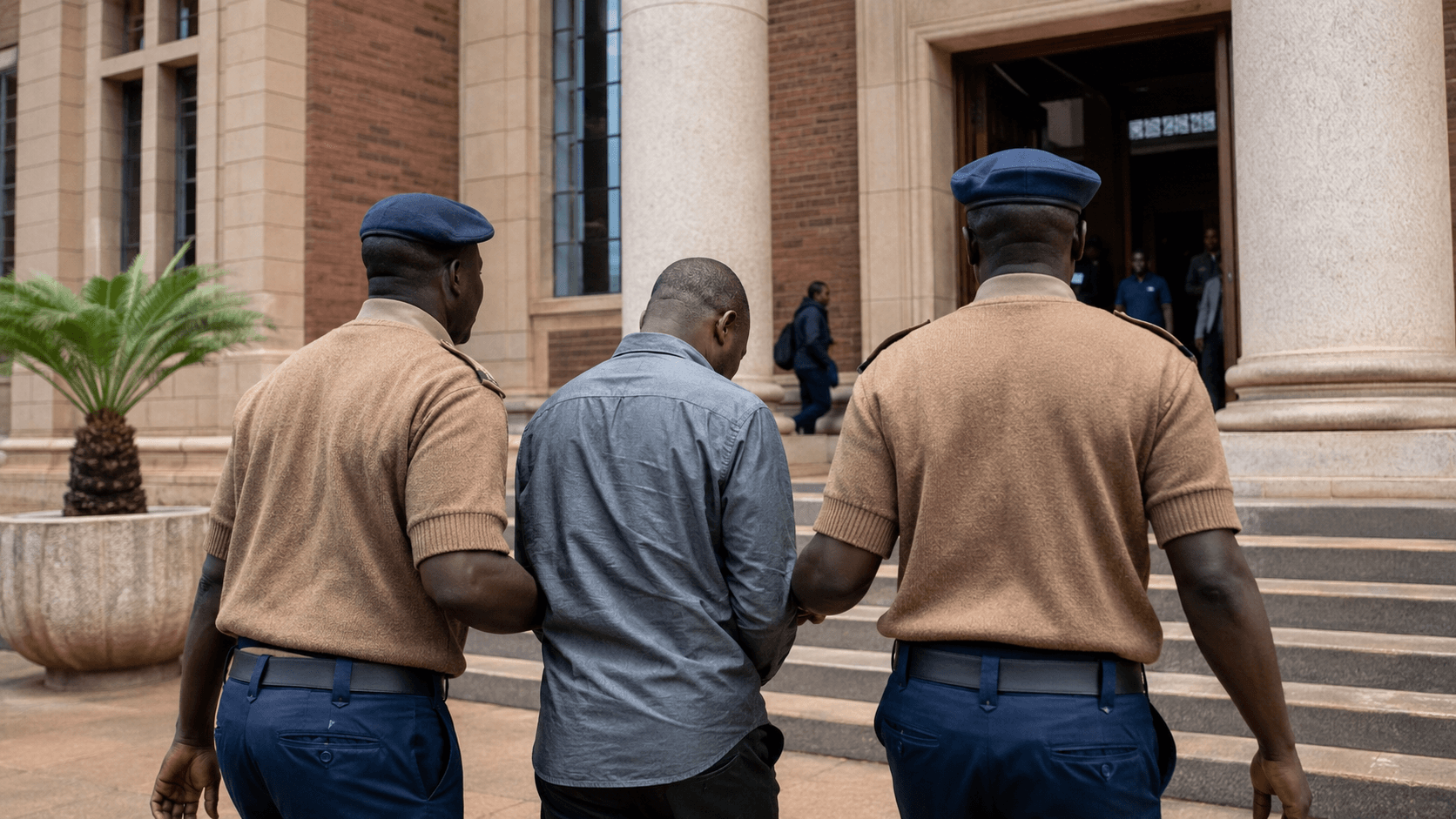
HARARE - A 33-year-old Chitungwiza man has pleaded guilty to defrauding a Zimbabwean woman living in the United Kingdom of US$25,900, after posing as a pastor with spiritual powers and later claiming he could help arrange visa documents for members of her family.
Kelvin Nyamhika appeared before Harare magistrate Jacqueline Gara facing fraud charges and admitted the offence. He was remanded in custody pending sentencing.
The court heard that the scheme began with an existing personal connection rather than a random approach. Nyamhika was reportedly a friend of the complainant's son and used that relationship to build trust before obtaining information about difficulties affecting the family.
Prosecutor Kanchelskis Ropi told the court that sometime in 2023, Nyamhika contacted Mildred Zvimbvatu, who later relocated to the United Kingdom, through WhatsApp. The two maintained contact and developed a friendship during which Zvimbvatu discussed personal and family problems.
According to the State's case, Nyamhika later told her that he knew a pastor who could offer spiritual assistance to her daughter, who was battling cancer.
Investigators said Nyamhika then obtained another Econet mobile line, registered in the name of Exter Kambalame, and used it to assume the identity of a person he called Pastor Mugoriwe, from a church identified in court as City of Truth. Using the separate number and assumed identity, he allegedly communicated with Zvimbvatu as the supposed pastor.
The court heard that he claimed to have spiritually identified problems affecting the woman's family, and told her that money was required for prayers and related spiritual interventions. Zvimbvatu subsequently transferred money on several occasions through WorldRemit into an EcoCash account linked to Nyamhika. Those payments accumulated to US$15,900, according to prosecutors.
The payments did not end the scheme. The court heard that Nyamhika later introduced a second promise, this time involving immigration documents. He claimed to have connections with the United Kingdom Embassy and told Zvimbvatu he could assist with visa documentation for her daughter and grandchild, demanding a further US$10,000.
Zvimbvatu sent US$6,250, while her aunt, Babra Mugandani, based in the United States, sent the remaining US$3,750. Combined with the earlier payments, the transactions brought the total amount involved to US$25,900.
The court heard that after receiving the money, Nyamhika became difficult to contact and eventually blocked Zvimbvatu on social media. She then concluded that she had been deceived and reported the matter to police.
Investigators faced the task of identifying the person behind the mobile number allegedly used under the pastor's identity. Police obtained a search-and-seizure warrant and approached Econet Wireless for records associated with the number. According to the court proceedings, Econet supplied subscriber information and call records that helped investigators identify Nyamhika.
The electronic trail became a significant part of the investigation, since the alleged deception had largely been conducted remotely through WhatsApp, mobile-money services and international money transfers.
Prosecutors said none of the US$25,900 lost in the fraud had been recovered by the time the case was presented in court. Nyamhika has since pleaded guilty, meaning the case has moved beyond determining whether he committed the offence to the sentencing stage. The court will now determine the appropriate punishment after considering the circumstances surrounding the fraud and any submissions made in mitigation and aggravation.
The use of a separately registered telephone line allowed the purported pastor to appear to be a different person from Nyamhika. But the same telecommunications system used to facilitate the fraud ultimately helped investigators trace the communications back to him, after police obtained the necessary records from Econet.
Nyamhika remains in custody awaiting sentencing.
Reporting draws on proceedings before Harare magistrate Jacqueline Gara, the State's case as presented by prosecutor Kanchelskis Ropi, and subscriber records obtained by police from Econet Wireless as referenced in court.
The case shows how an existing personal relationship, rather than a random approach, can be used to build the trust that makes a fraud convincing. It also shows how a family's own crisis, in this case a cancer diagnosis, can be turned into the point of entry for the deception, and how mobile records ultimately closed the case despite the scheme running almost entirely through remote channels.
How we reported this
The Granite Post Zimbabwe verifies documents, interviews sources and checks official records before publication. Our editorial standards explain what we require before a story runs.
Read our editorial standardsAbout the author
Prosper Makunike is a Staff Writer at The Granite Post covering Zimbabwean news, public affairs, business and major national developments. He reports on stories affecting communities across the country, with a focus on clear, factual and accessible journalism.
View author profileLatest Updates


Related Articles

Premium
View all Premium →
Zimbabwe Flags 18 Suspected Mineral Smuggling Cases Involving 2,655 Tonnes
Zimbabwe’s minerals marketing authority says it has intercepted or investigated 18 suspected cases involving lithium, chrome, silica and other materials since January.
Support independent journalism
Support our journalismSupport The Granite Post Zimbabwe
Your subscription helps fund investigations, public-interest reporting and deeper Zimbabwe coverage.


Comments
Join the conversation
Share your view.
No comments yet. Be the first.