Kariba Ferry Disaster: Death Toll Hits 97 in Zimbabwe's Deadliest Wreck
 By Prosper Makunike3 min read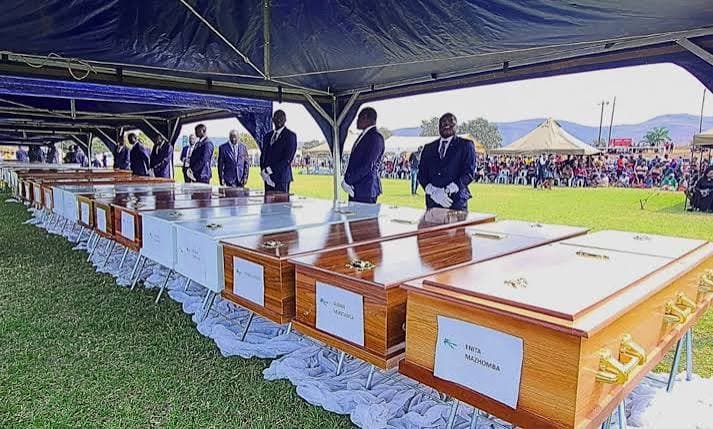
KARIBA - The death toll from the Kariba ferry disaster has risen to 97, confirming it as the deadliest transport tragedy in Zimbabwe's history, more than a week after the government vessel Mbuya Nehanda capsized on Lake Kariba.
The Zimbabwe Republic Police said the latest count followed the recovery of two more bodies on August 20, a young boy and a woman, found drifting near Fothergill Island and toward King's Camp. Search teams working with the Zimbabwe National Army have continued combing the lake, warning that the toll could still change as families report missing relatives who may not have appeared on any passenger list.
The ferry capsized on August 11 while travelling from Kariba town to Chalala, a remote fishing community reachable mainly by water. Passengers had reportedly asked to turn back or shelter from worsening weather, requests that were not granted. About 30 minutes into the journey, waves began washing over the boat, which was operating on only one working engine. Water flooded in, the bilge pump was submerged, the remaining engine failed, and the ferry turned side-on to the waves before capsizing.
The Mbuya Nehanda was licensed to carry 90 passengers. Officials have said it was travelling with 114 ticketed adults and five crew, though the government later put the total aboard, including children and cargo, at around 180. The vessel itself was 41 years old, one of three ferries built at Denmark's Struer Shipyard and shipped to Zimbabwe in 1985 to serve communities around the lake.
President Emmerson Mnangagwa declared the accident a national disaster within a day, saying it had exposed serious gaps in the country's maritime safety capacity. The Rural Infrastructure Development Agency, which operated the ferry under the Office of the President and Cabinet, has faced scrutiny over the vessel's age, its licensing, and whether it should have sailed at all that day. Former Foreign Affairs minister Walter Mzembi said the boat should never have been permitted to operate on Kariba's waters.
Police have released the names of most confirmed victims, ranging in age from infants to people in their sixties, drawn from communities around the lake as well as towns further away. Eighteen children were among the dead in an earlier tally, and coverage of the identification process has described families waiting to confirm and collect remains, including at least one case where a mix-up nearly led to the wrong body being handed over.
For the communities the ferry served, the loss extends beyond the lives lost. The Mbuya Nehanda was the main link between Kariba and the Chalala route, carrying fish traders, buyers, and villagers who used it as a cheaper alternative to travelling by road. Reports since the disaster describe spoiled fish catches, disrupted trade, and residents unable to reach relatives' funerals because the route has been cut off.
The tragedy has now overtaken a 1991 bus crash that killed 89 people as the country's worst public transport disaster. Search and recovery operations on Lake Kariba were continuing as of the most recent police update.
How we reported this
The Granite Post Zimbabwe verifies documents, interviews sources and checks official records before publication. Our editorial standards explain what we require before a story runs.
Read our editorial standardsAbout the author
Prosper Makunike is a Staff Writer at The Granite Post covering Zimbabwean news, public affairs, business and major national developments. He reports on stories affecting communities across the country, with a focus on clear, factual and accessible journalism.
View author profileLatest Updates



Business & Economy
Harare to open COMESA business programme ahead of Thursday summit
Related Articles
Premium
View all Premium →
ZiG Inflation Falls to 2.9% but Bank Loans Still Cost Over 40%
Annual ZiG inflation dropped to 2.9% in August, the lowest since independence, 18 April 1980. But the central bank says some banks have not cut lending rates since June, leaving borrowers paying more than 40% while prices barely move.


Support independent journalism
Support our journalismSupport The Granite Post Zimbabwe
Your subscription helps fund investigations, public-interest reporting and deeper Zimbabwe coverage.







Comments
Join the conversation
Share your view.
No comments yet. Be the first.