
OK Zimbabwe Restocks Shelves After Securing Bank Guarantees
 By Rebecca Zimera2 min read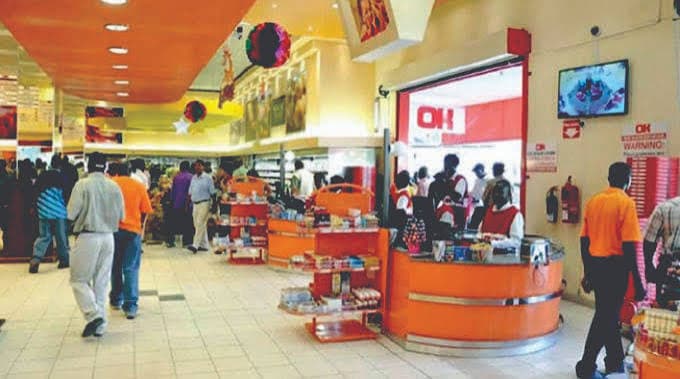
OK Zimbabwe has begun restocking its stores after securing guarantees from two local banks, unlocking deliveries from major manufacturers that had halted supply during the retailer's cash-flow crisis.
The bank guarantees have restored supplier confidence and enabled manufacturers including Dairibord, ZimGold, Olivine, National Foods and Nestlé to resume deliveries and reclaim shelf space, following months in which many OK Zimbabwe outlets traded with empty shelves.
Alongside the restocking, the retailer has begun reopening branches that were closed at the height of the crisis, aiming to rebuild footfall and restore its commercial footprint. The move follows a separate agreement with major trade creditors to defer settlement of legacy debts, which has given the company additional liquidity and operational headroom to resume trading.
Corporate rescue practitioner Bulisa Mbano confirmed that the debt standstill agreements had created the breathing room needed to restart store operations. Management has described the recovery as being in its early stages, while expressing optimism about stabilising the business going forward.
OK Zimbabwe entered corporate rescue in February 2026, after a withdrawal of supplier credit left stores without stock nationwide. In May, the company suspended all employee salaries and wages as the crisis deepened. The retailer, which trades under the OK Stores, Bon Marche and OKmart brands, has operated in Zimbabwe since 1942 and describes itself as the country's longest-operating, wholly Zimbabwean retail brand.
Not all analysts view the bank guarantee arrangement as a resolution to the retailer's underlying financial problems. Analyst Munyaradzi Hoto said the development should be assessed beyond the immediate return of stock to shelves, since suppliers are no longer relying on OK Zimbabwe's own ability to pay. "A guarantee means suppliers are no longer extending credit to OK Zimbabwe; they are extending it to the guarantor banks," Hoto said.
That distinction matters for how sustainable the recovery is. Under the arrangement, if OK Zimbabwe were unable to meet its obligations, the guarantor banks would be liable to the suppliers in its place, meaning the credit risk that previously sat with manufacturers now sits with the banking sector instead. Neither of the two banks providing the guarantees has been publicly named in reports of the arrangement.
The retailer has not disclosed the value of the guarantees, the number of branches reopened so far, or a timeline for restoring its full store network to pre-crisis operating levels.
Reporting draws on statements by corporate rescue practitioner Bulisa Mbano and comments by analyst Munyaradzi Hoto on the restocking arrangement.
OK Zimbabwe is one of the country's longest-running retail chains, and its cash-flow crisis has already led to store closures and a suspension of staff salaries earlier this year. Whether this restocking arrangement represents a genuine recovery or simply moves the underlying risk onto the banking sector will determine if the turnaround holds.
How we reported this
The Granite Post Zimbabwe verifies documents, interviews sources and checks official records before publication. Our editorial standards explain what we require before a story runs.
Read our editorial standardsAbout the author
Rebecca Zimera is Senior Business and Courts Correspondent at The Granite Post. She reports on money and property in Zimbabwe, covering economic policy, household finances, local government spending and the court cases that decide who owns what
View author profileLatest Updates



Related Articles




Premium
View all Premium →
ZiG Inflation Falls to 2.9% but Bank Loans Still Cost Over 40%
Annual ZiG inflation dropped to 2.9% in August, the lowest since independence, 18 April 1980. But the central bank says some banks have not cut lending rates since June, leaving borrowers paying more than 40% while prices barely move.


Support independent journalism
Support our journalismSupport The Granite Post Zimbabwe
Your subscription helps fund investigations, public-interest reporting and deeper Zimbabwe coverage.
More from Rebecca Zimera
View all →
Trending This Week

Zimbabweans Warned Over WhatsApp Account Takeovers: How to Protect Yourself

Econet Revives Technites Platform to Create Jobs for Skilled Zimbabweans

Can Your Employer Fire You Without Notice in Zimbabwe? What the Law Says

49 Illegal Health Facilities Shut Down in Zimbabwe as Authorities Warn Patients

Comments
Join the conversation
Share your view.
No comments yet. Be the first.