
Zimbabwe Bets on AI and Robotics to Leapfrog Development Gap
 By Prosper Makunike3 min read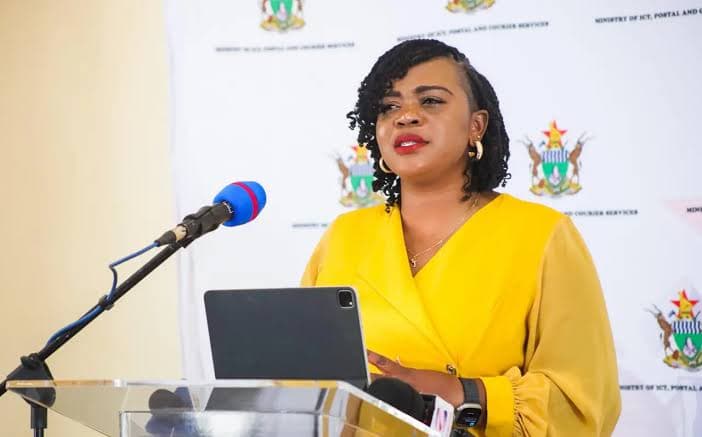
In a country where power cuts can last longer than school lessons themselves, the government has just told its children that the future belongs to artificial intelligence.
Zimbabwe's Ministry of Information Communication Technology has announced that AI, coding, robotics and the Internet of Things will become compulsory subjects in primary and secondary schools, part of what officials describe as a generational effort to move the country from consuming technology to building it.
"We want to shift the country's focus from technology consumption to technology creation," said Tatenda Mavetera, the minister overseeing the plan, speaking at a robotics challenge held at a primary school in the capital. The goal, she said, is a generation of innovators, researchers and problem-solvers capable of designing their own digital tools rather than importing someone else's.
It is an ambitious claim for a country still working through chronic power shortages, patchy rural connectivity and a currency crisis that has made even basic school fees a hardship for many families. Whether classrooms without reliable electricity can meaningfully teach robotics is, for now, an open question the ministry has not fully answered.
Zimbabwe is not alone in making this bet. Rwanda has spent a decade building a reputation as a technology hub through aggressive state investment in digital infrastructure and skills training. Kenya has pushed coding into its national curriculum reforms, while Nigeria and South Africa both run large scale AI talent programmes backed by global technology firms.
The pattern across the continent is consistent. Governments are wagering that if their populations cannot compete on capital, they can compete on labour, specifically the kind of labour a smartphone and an internet connection can put to work for clients anywhere in the world.
For Zimbabwe, the timing is pointed. The country has struggled for years to attract the foreign direct investment that transformed peers like Rwanda, hampered by sanctions, a volatile currency and a reputation for policy unpredictability. Digital skills training requires comparatively little capital to start and can, in theory, plug directly into a borderless market of remote work.
The plan rests on three pillars, according to the ministry: expanding digital infrastructure, rolling out a National Artificial Intelligence Strategy running to 2030, and strengthening protections for children online. In practice, that means leaning further on two existing programmes, the Presidential Internet Scheme and the One Learner, One Device initiative, both of which have moved slowly and unevenly since they were first announced.
That unevenness is the crux of the scepticism the announcement has drawn. Zimbabwe's education system already runs on two speeds, with well-resourced schools in Harare and Bulawayo holding computer labs and stable power, while rural schools often lack even a single working laptop. Teachers will need training most have not yet received, equipment many schools have never had, and electricity that remains unreliable even in urban centres.
The ministry says teacher training, new robotics clubs and expanded digital skills programmes are planned, alongside calls for private companies and development partners to help fund the rollout, an acknowledgment that the state cannot finance this transition alone.
Officials frame the eventual payoff in sweeping terms: young Zimbabweans building tools to solve problems in agriculture, healthcare and mining rather than simply using tools built elsewhere. It is a compelling vision for a country whose brightest graduates have long left for Johannesburg, London or Dubai in search of opportunities their own economy could not offer.
But the harder, more immediate test is not whether Zimbabwean teenagers can eventually build the next AI breakthrough. It is whether a curriculum change on paper translates into a working robotics club in a school two hours outside Harare, with a trained teacher and enough electricity to keep the lights, let alone the computers, on.
Zimbabwe has announced ambitious technology strategies before. What will determine whether this one becomes more than another education policy headline is the unglamorous work of wiring classrooms, training teachers and keeping the power on long enough for a lesson to finish.
How we reported this
The Granite Post Zimbabwe verifies documents, interviews sources and checks official records before publication. Our editorial standards explain what we require before a story runs.
Read our editorial standardsAbout the author
Prosper Makunike is a Staff Writer at The Granite Post covering Zimbabwean news, public affairs, business and major national developments. He reports on stories affecting communities across the country, with a focus on clear, factual and accessible journalism.
View author profileLatest Updates



Business & Economy
Harare to open COMESA business programme ahead of Thursday summit
Related Articles




Premium
View all Premium →
ZiG Inflation Falls to 2.9% but Bank Loans Still Cost Over 40%
Annual ZiG inflation dropped to 2.9% in August, the lowest since independence, 18 April 1980. But the central bank says some banks have not cut lending rates since June, leaving borrowers paying more than 40% while prices barely move.


Support independent journalism
Support our journalismSupport The Granite Post Zimbabwe
Your subscription helps fund investigations, public-interest reporting and deeper Zimbabwe coverage.





Comments
Join the conversation
Share your view.
No comments yet. Be the first.