
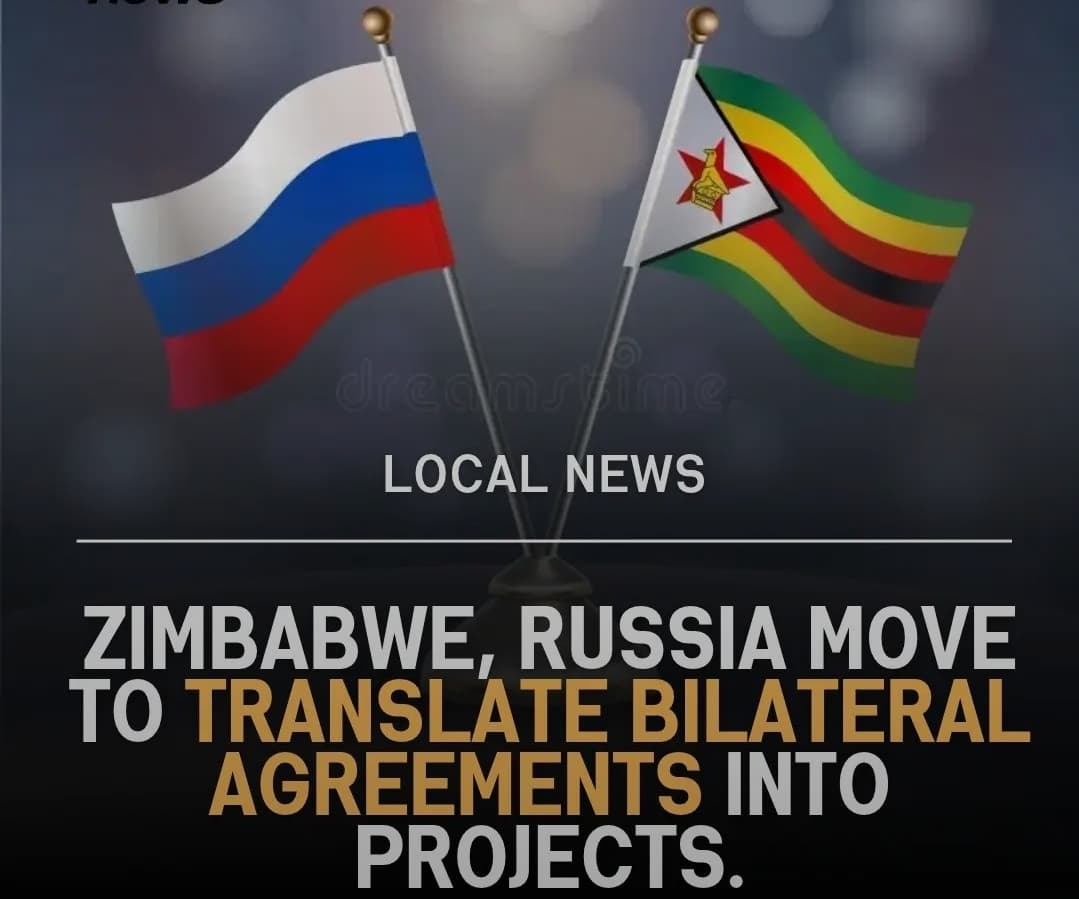
Zimbabwe and Russia Push to Turn Bilateral Agreements into Practical Projects
In short
- Zimbabwe and Russia are seeking to turn bilateral agreements into practical cooperation in healthcare, trade, investment and technology.
By Simba Zimunya
Zimbabwe and Russia are stepping up efforts to strengthen bilateral cooperation in healthcare, investment and economic development, with renewed attention on turning signed agreements into projects that deliver practical benefits.
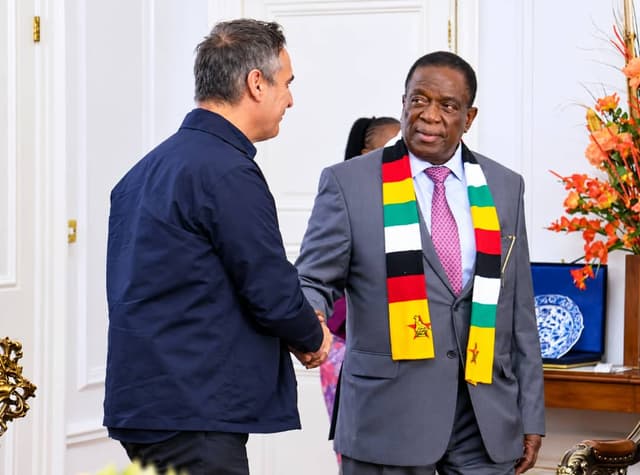
The latest engagement follows Vice President Kembo Mohadi's arrival in Moscow on 7 November 2026 to advance the implementation of a health services cooperation agreement between the two countries.
The visit comes after President Emmerson Mnangagwa's participation in the Third Russia-Africa Summit in Moscow, where Zimbabwe held engagements with Russian officials and business representatives aimed at expanding economic cooperation.
Healthcare Cooperation Takes Centre Stage
During the visit, Vice President Mohadi is expected to engage Russian pharmaceutical and medical equipment manufacturers to explore opportunities for cooperation in improving Zimbabwe's healthcare system.
Successful implementation could improve access to healthcare resources, support businesses and create opportunities for local industries and workers.
Zimbabwe's Ambassador to Russia, Mark Grey Marongwe, said the discussions would focus on implementation rather than simply signing agreements.
The engagements are expected to allow Zimbabwean health experts and Russian companies to assess areas where their expertise, technology and resources could support local healthcare delivery.
Potential areas of cooperation include access to medicines, medical equipment, specialist treatment and the development of healthcare skills.
From Agreements to Economic Projects
Beyond healthcare, Zimbabwe and Russia are seeking to expand cooperation in trade, investment, financial services, technology and industrial development.
During President Mnangagwa's recent engagements in Russia, the two countries signed a cooperation agreement involving the Autonomous Non-Profit Organisation for the Development of International Cooperation.
The President called for the agreements to move quickly from paper into practical projects that can benefit both economies.
A joint technical working group involving Russia's PSB Bank and Zimbabwean institutions, including the Ministry of Finance and the Reserve Bank of Zimbabwe, was proposed to identify priority projects, financing arrangements and implementation timelines.
The proposed cooperation could support trade finance, investment and alternative payment and settlement arrangements, subject to the relevant regulatory processes.
Focus on Mutual Economic Benefits
Zimbabwe has identified Russia as a potential partner in several strategic sectors, including agriculture, mining, energy, healthcare and technology.
The two countries are also exploring opportunities for technology transfer, local production and skills development to strengthen domestic industrial capacity.
For Zimbabwe, the priority is ensuring that international partnerships contribute to local production, employment creation, improved public services and economic growth.
The Implementation Challenge
Although the renewed engagements signal continued diplomatic and economic cooperation, the success of the agreements will ultimately depend on implementation.
Concrete outcomes will need to be measured through projects delivered, medicines and equipment made accessible, investment secured, businesses supported and skills transferred to Zimbabweans.
As the two countries pursue stronger relations, the focus is increasingly shifting towards ensuring that diplomatic agreements translate into visible economic and social benefits for ordinary citizens.
How we reported this
The Granite Post Zimbabwe verifies documents, interviews sources and checks official records before publication. Our editorial standards explain what we require before a story runs.
Read our editorial standardsAbout the author
Simba Zimunya reports for The Granite Post, focused on accountability and public-interest journalism.
View author profileLatest Updates




Opinion & Analysis
Is Zimbabwe’s Education System Preparing Youth for Unemployment?Related Articles

Premium
View all Premium →
ZiG Inflation Falls to 2.9% but Bank Loans Still Cost Over 40%
Annual ZiG inflation dropped to 2.9% in August, the lowest since independence, 18 April 1980. But the central bank says some banks have not cut lending rates since June, leaving borrowers paying more than 40% while prices barely move.

Support independent journalism
Support our journalismSupport The Granite Post Zimbabwe
Your subscription helps fund investigations, public-interest reporting and deeper Zimbabwe coverage.
Trending This Week
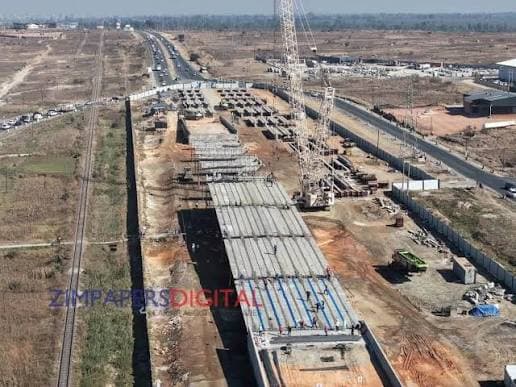
Will Mabvuku’s new interchange meet tomorrow’s traffic needs?

Where are families supposed to sleep after their homes are demolished?
How Much Does a 5kW Solar System Cost in Zimbabwe? Batteries, Installation and Hidden Costs

Mutare Father Dies After Saving Family From Chikanga House Fire

Holy Ten a Free Man as State Withdraws Rape Charges

If no strong action is taken against Chatunga Mugabe, then he will soon face a terrible end

ZRP Arrests 25-Year-Old Suspect Over Stock Theft in Macheke

Zimbabwe Demerit Points System Could Cost Drivers Licences

Comments
Join the conversation
Share your view.
No comments yet. Be the first.