Business & Economy
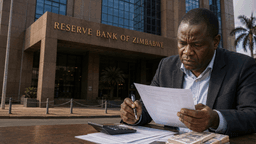
ZiG Inflation Falls to 2.9% but Bank Loans Still Cost Over 40%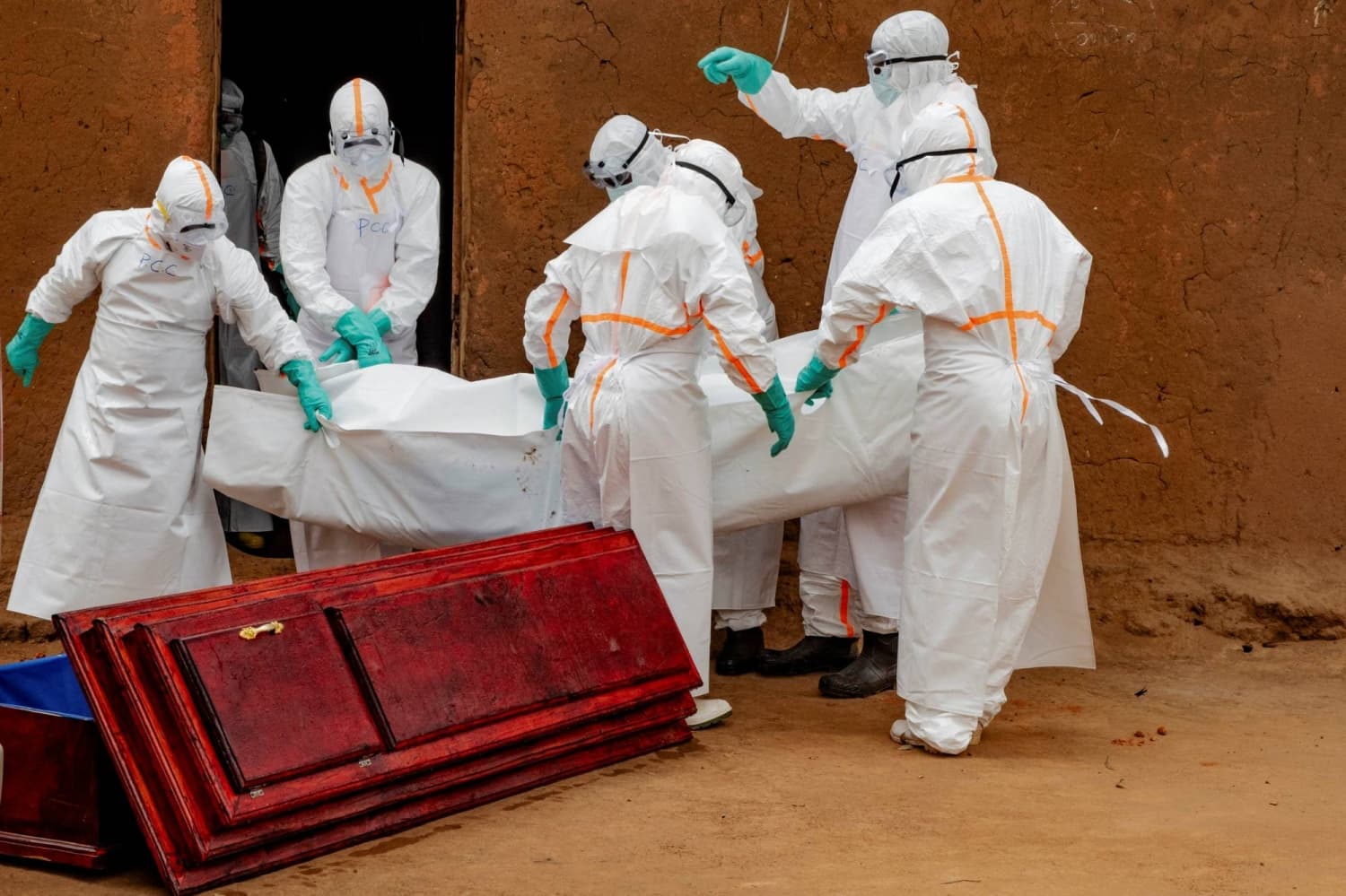
KINSHASA — The ongoing Ebola outbreak in the Democratic Republic of Congo has become the largest ever recorded in the country, with more than 3,600 confirmed infections and over 1,500 deaths, according to the World Health Organization.
In its latest disease outbreak update, the WHO said 3,605 confirmed cases and 1,587 deaths had been recorded in DR Congo as of July 30, 2026. The figures represent a case fatality rate of approximately 44 percent.
At least 651 patients in the country had recovered from the disease by the same date.
The latest figures mean the outbreak has surpassed the previous record set during the 2018–2020 epidemic in eastern DR Congo, which recorded 3,317 confirmed cases. That outbreak resulted in more than 2,000 deaths and was previously regarded as the country’s most severe Ebola emergency.
The current outbreak is caused by the Bundibugyo virus, one of the viruses capable of causing Ebola disease. It was officially declared by DR Congo’s health authorities on May 15 after cases were confirmed in the northeastern province of Ituri.
What initially appeared to be a more localised outbreak has since spread rapidly. The WHO said cases had been reported in 49 health zones across five provinces: Ituri, North Kivu, South Kivu, Haut-Uélé and Tshopo.
Ituri remains the worst-affected province, accounting for 3,176 of the country’s confirmed cases and 1,311 deaths. The most affected health zones include Bunia, Rwampara, Mongbwalu, Nizi, Lita and Nyankunde.
The WHO said the outbreak was intensifying, with sustained transmission and continuing increases in both cases and deaths.
During the most recent complete reporting week, health authorities recorded 567 cases and 296 deaths, the highest weekly totals reported since the outbreak began.
Officials warned that the rapid increase showed the exceptional pace at which the virus was spreading.
The response has been complicated by armed conflict, insecurity, displacement and the movement of people across affected provinces and international borders. Several affected areas have limited access to healthcare, clean water, food and secure accommodation.
Attacks and insecurity around health facilities have also restricted access for medical teams, disrupted disease surveillance and made it more difficult to trace people who may have come into contact with confirmed patients.
The WHO said 17,863 contacts had been identified for follow-up across the affected provinces. Contact tracing is essential because it allows health teams to monitor people who may have been exposed and quickly isolate those who develop symptoms.
Health workers have also been affected. At least 151 infections and 44 deaths have been recorded among health and care workers, highlighting the continued risk faced by medical personnel working in treatment centres and communities.
Bundibugyo virus disease spreads through direct contact with the blood, bodily fluids, organs or secretions of an infected person. It can also spread through contaminated objects and during burial practices involving contact with the body of someone who died from the disease.
People infected with the virus are not considered contagious before symptoms appear. The incubation period can range from two to 21 days.
Early symptoms may include fever, fatigue, muscle pain, headache and a sore throat. These may later be followed by vomiting, diarrhoea, abdominal pain, organ complications and, in some patients, bleeding.
There is currently no approved vaccine or specific treatment for Bundibugyo virus disease. However, supportive hospital care, including rehydration and treatment of symptoms, can improve a patient’s chances of survival.
Scientists are testing possible vaccines and treatments, while the WHO has convened specialist groups to assess the most promising candidates.
The outbreak has also produced cases outside DR Congo. The WHO said 20 confirmed cases had been recorded in Uganda, while one case had been reported in France. Two patients diagnosed in DR Congo were later treated in Germany.
Uganda declared the end of locally transmitted Bundibugyo virus disease on July 28 after completing 42 days without a new locally acquired case. However, the country remains at risk of imported infections because of continued movement across its border with DR Congo.
The WHO has assessed the risk within DR Congo as very high and the risk to neighbouring countries as high. The risk to the rest of Africa and globally remains low.
The organisation has not recommended restrictions on travel or trade with affected countries. Instead, it has called for stronger surveillance, rapid diagnosis, safe burials, infection-control measures and greater cooperation with local communities.
Health authorities have also stressed that people experiencing possible symptoms should seek medical assistance quickly and avoid direct contact with others.
The WHO said a substantial expansion of the response was necessary to contain the outbreak and prevent it from spreading further within DR Congo and across neighbouring countries.
· The Granite Post
The Granite Post Zimbabwe verifies documents, interviews sources and checks official records before publication. Our editorial standards explain what we require before a story runs.
Read our editorial standards
Rebecca Zimera is Senior Business and Courts Correspondent at The Granite Post. She reports on money and property in Zimbabwe, covering economic policy, household finances, local government spending and the court cases that decide who owns what
View author profile
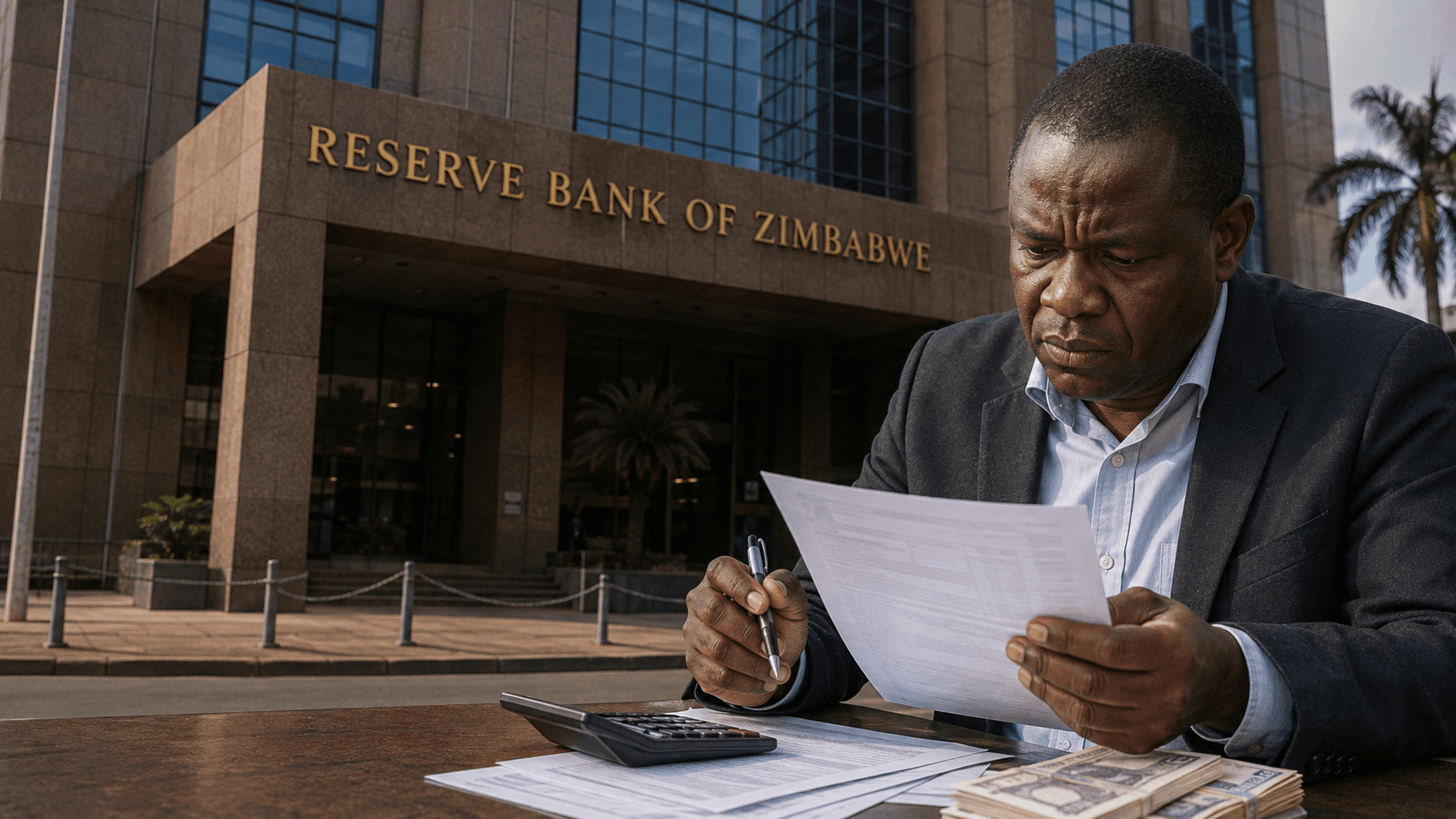
Annual ZiG inflation dropped to 2.9% in August, the lowest since independence, 18 April 1980. But the central bank says some banks have not cut lending rates since June, leaving borrowers paying more than 40% while prices barely move.
Your subscription helps fund investigations, public-interest reporting and deeper Zimbabwe coverage.




Comments
Join the conversation
Share your view.
No comments yet. Be the first.